Chocolate
A pestle, a press, and a glass and a half.
Cadbury’s official timeline starts with drinking chocolate. The bars come later, with dates of their own.
For a long time, chocolate in Britain was something you drank. Cadbury’s own story starts that way, in a shop, with a pestle and mortar. The later bars have official dates of their own, and they are not moved backwards to decorate the beginning.
A desk of official Cadbury dates
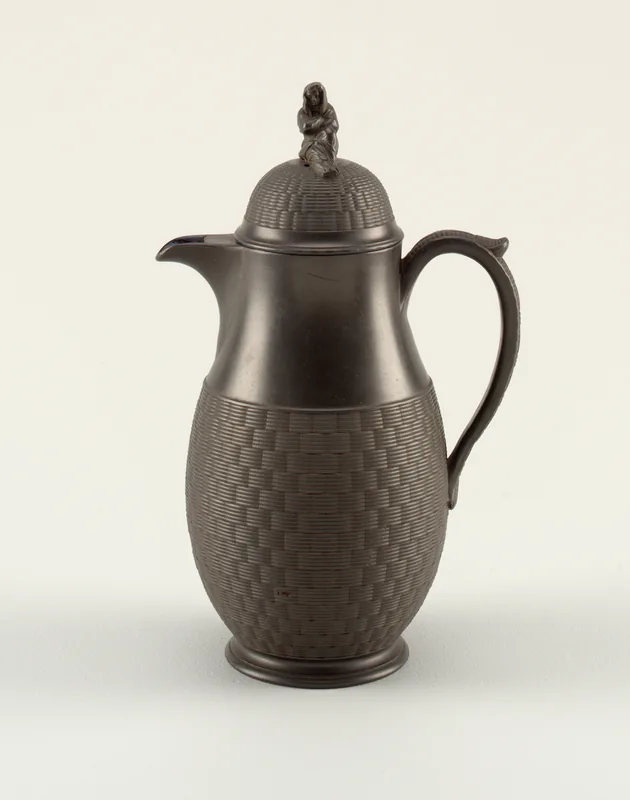
In 1824, John Cadbury opened a grocer’s shop at 93 Bull Street, Birmingham. Amongst other goods, the official timeline says, he sold cocoa and drinking chocolate, “which he prepared himself using a pestle and mortar.” In 1831 he bought a nearby warehouse and started manufacturing, with help from his sons George and Richard; in 1847 they moved to a larger factory in Bridge Street. John retired in 1861, and the brothers took over — George on production, Richard on sales. [source] [source]
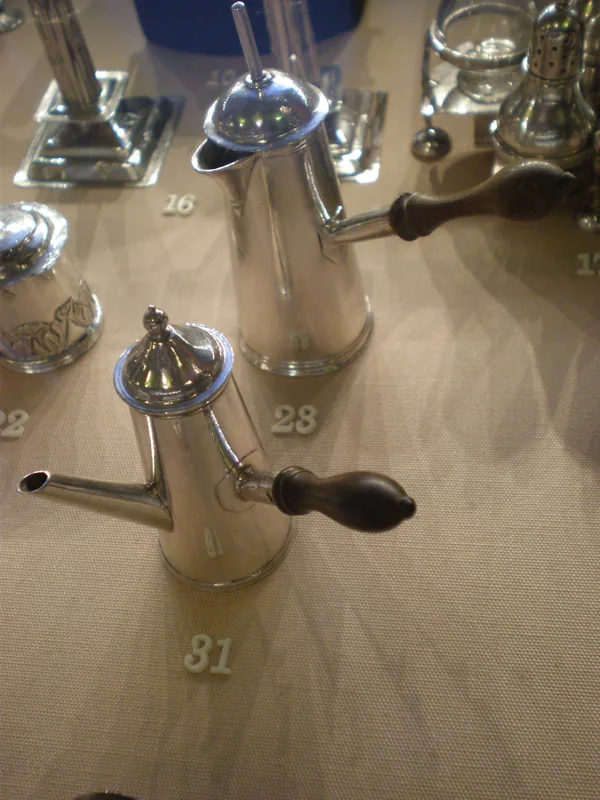
The turning point, Cadbury says, came with a Dutch cocoa press used by van Houten. The press squeezed out so much cocoa butter that starches were no longer needed to disguise the taste. In 1866 the brothers launched Cadbury Cocoa Essence, advertised as “Absolutely Pure, Therefore Best.” Other makers, the official story says, had bulked cocoa with animal fat, red lead and brick dust. [source] [source]
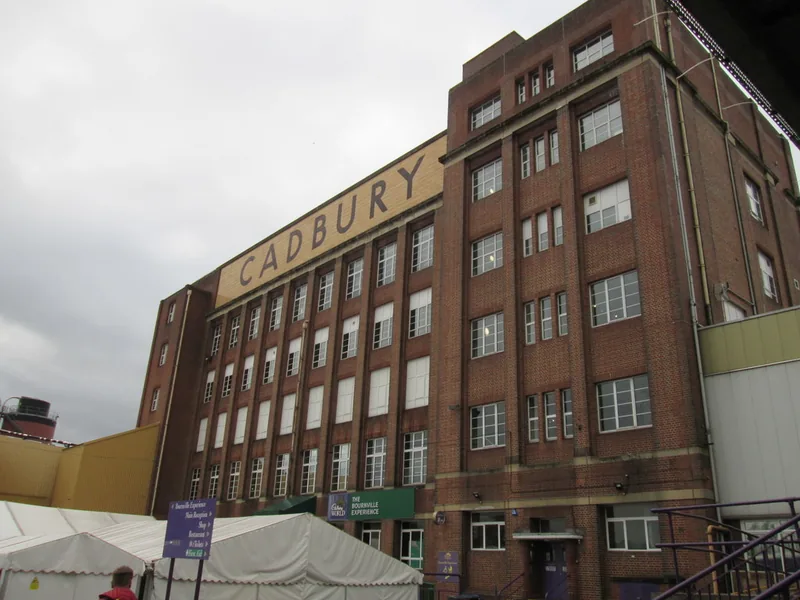
In 1878 they looked for a new factory site. They found 14.5 acres south of Birmingham, with a meadow, a cottage and a stream called the Bourn; by adding ‘ville’ (French for ‘town’), they named it Bournville. Building began in January 1879, along with the first 16 houses for employees. [source]
In 1875, before that move was finished, George and Richard launched the first Cadbury Easter egg: dark chocolate, a smooth, plain surface, filled with sugar-coated chocolate drops known as ‘dragees.’ [source] Dairy Milk followed in 1905. George Cadbury Jr wanted creamy chocolate; “Cadbury’s new recipe used a whole glass and a half of full cream milk for every bar.” Highland Milk and Dairy Maid were suggested — “but when a customer’s daughter thought of ‘Dairy Milk,’ the name stuck.” Bars were delivered in blocks, broken up and sold in penny bars; by the early 1920s, Cadbury says, it was the best selling chocolate bar in the UK. [source]
One of the oddest official inventions is the Flake. “In 1920, a factory employee noticed how the chocolate overflowing from a mould fell into folds, which then inspired the idea for the Flake.” Cadbury Flake, the same page says, also became famous as the chocolate that comes with the 99 ice cream cone. The Creme Egg was launched in 1971. [source]
In the Second World War, Cadbury’s official story says, the Bournville factory turned to making gun doors for Spitfires, cases for aeroplane flares, aircraft parts, gas masks and jerrycans. [source] Separately, the Imperial War Museums record what happened to the chocolate itself: Dairy Milk ceased to be made in 1941 when the government banned manufacturers from using fresh milk, and was replaced by Ration Chocolate, made with dried skimmed milk powder. [source] Those two wartime facts are both official, and they are not the same fact.
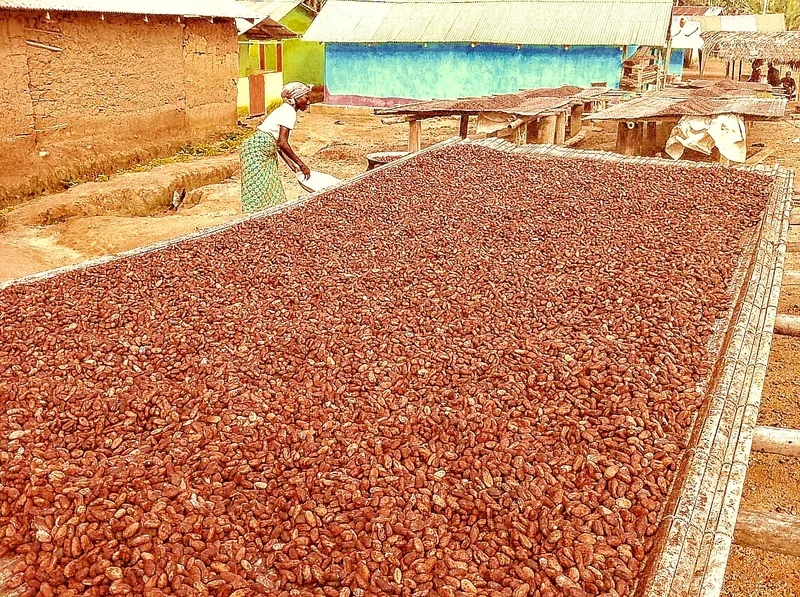
Official museum pages on the deeper Mesoamerican history of cacao were not successfully opened when this desk was checked, and are not reconstructed from search snippets. The cacao photographs on this page show the fruit and the work of drying and fermenting it; they are not a substitute for those unopened museum pages.
Enjoyed a desk of official sweet stories, unblended firsts, and a clearly labelled gift shelf?
No pop-ups. No intrusive advertising. Just interesting stuff. A little support helps the next ReallyByte site get built.