Sweets
A dancing bear, and a bar with two official name stories.
Haribo’s own timeline, and Nestlé’s 2015 and 2025 wording about KitKat, kept side by side.
Two official sweet stories, from different countries, and one bar whose own company has told the story of its name in two slightly different ways.
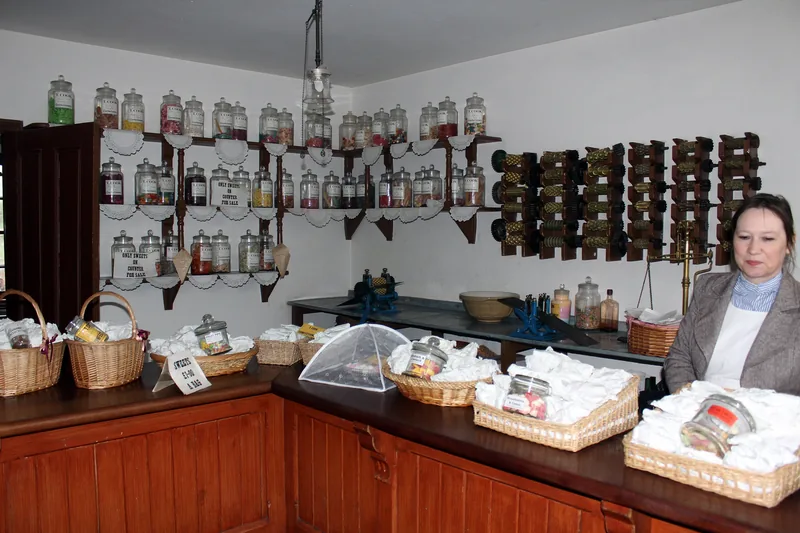
Haribo, in Haribo’s words
Hans Riegel, born in Friesdorf near Bonn in 1893, trained as a confectioner and founded HARIBO — HAns RIegel BOnn — on 13 December 1920. Official history says he launched production in a small kitchen “with nothing more than a sack of sugar, a marble slab, a stool, a stove, a copper pot and a rolling pin.” His wife Gertrud became the first employee in 1921. [source]
In 1922 he invented the DANCING BEAR, “a fruit gummy bear that would one day become world-famous as the legendary HARIBO Goldbear.” It was bigger than today’s Goldbears, and slimmer. Two DANCING BEARS cost one Pfennig in Germany, “which is currently in the grip of inflation,” the history page says of that moment. Official history places the first liquorice products in the years after the Dancing Bear, including liquorice sticks with HARIBO lettering, later joined by Liquorice Wheels. The HARIBO Goldbears, as named, “hit the market” in 1960 on that official timeline, and in 1967 the German Patent Office recognised the Goldbears as a registered trademark. [source]
KitKat, in Nestlé’s words — twice
A Nestlé UK blog published on 28 August 2015, for the bar’s 80th anniversary, is precise about the launch. In September 1935 “the famous four-finger wafer was launched in London and the South East under the fairly forgettable name of Rowntree’s Chocolate Crisp.” It was made in the Cake Department at York Factory — “a bar was still referred to as a ‘cake of chocolate’ in those days” — and was rebranded two years later as KitKat Chocolate Crisp. [source]
The name, that 2015 page says, is older than the bar. “Rowntree’s first registered the names Kit-Cat and KitKat as early as 1911, but waited until the 1920s before launching a boxed chocolate assortment with the name.” Then comes the origin: “Kit Kat was originally the name of a seventeenth Century literary and political club that met in the pie shop of a pastry cook called Christopher Catling; Mr Catling’s names being more easily shortened to Kit and Cat.” [source]
A later official Nestlé UK press release, dated 29 August 2025, marks 90 years since the brand’s beginning in 1935 in York. It says KitKat was invented by Rowntree’s and is still made in York, and that “an employee suggesting an idea for a chocolate bar that could easily fit in a lunch box” led to the bars that first appeared in 1935. On the name, this 2025 page says: “The name originates from an eighteenth-century pastry cook called Christopher Catling, or Kit Cat as he was more commonly known.” [source] Seventeenth-century club, or eighteenth-century cook: both sentences are official, ten years apart, and this desk does not pick one.
The same 2025 page says Nestlé York “makes up to four million KitKat bars every day,” and that York remains home to a confectionery business and factory employing more than 2,000 people. KitKat, it says, is available in over 85 countries, with more than 5 billion bars sold annually, and is offered in over 300 flavours around the world. [source]
Enjoyed a desk of official sweet stories, unblended firsts, and a clearly labelled gift shelf?
No pop-ups. No intrusive advertising. Just interesting stuff. A little support helps the next ReallyByte site get built.