Discoveries
I never knew that.
Official pages, odd facts, and no invented firsts.
The oddest official facts on this desk are not always secret recipes. They are overflowing moulds, a name told two ways, and sweets that came back off the ration — then went back on.
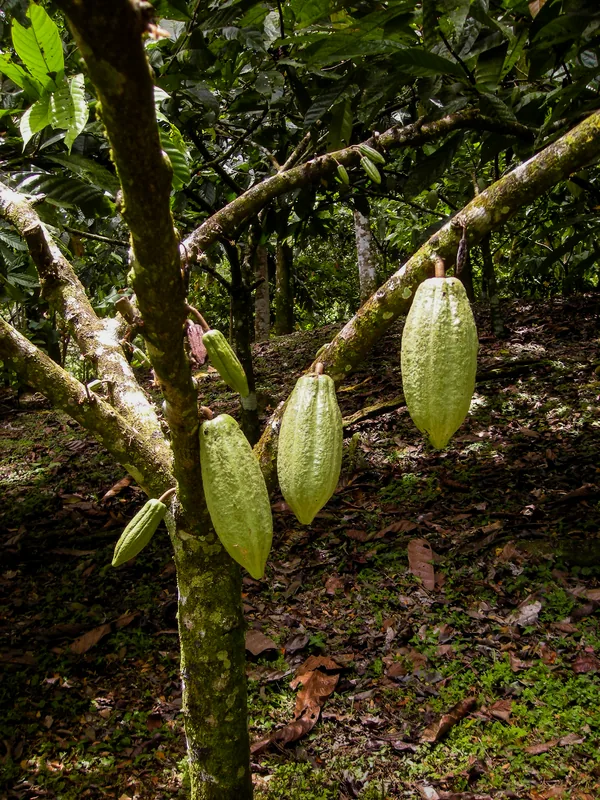
Flake began as an overflow
Cadbury’s timeline is almost casual about it: in 1920 a factory employee noticed chocolate overflowing from a mould falling into folds, “which then inspired the idea for the Flake.” The same official page later ties Flake to the 99 ice cream cone. [source]
Dairy Milk was named by a customer’s daughter
Highland Milk and Dairy Maid were suggested. “When a customer’s daughter thought of ‘Dairy Milk,’ the name stuck.” The recipe, Cadbury says, used a whole glass and a half of full cream milk for every bar. [source]

KitKat’s name has two official centuries
Nestlé in 2015: a seventeenth-century literary and political club in Christopher Catling’s pie shop, with names registered in 1911. [source] Nestlé in 2025: an eighteenth-century pastry cook called Christopher Catling, or Kit Cat. [source] This desk quotes both.
Sweets came off ration — and the children rushed the shops
IWM’s current Home Front page: sweets came off ration in April 1949, but “the rush of children to the shops caused shortages so severe that rationing was reinstated in August 1949 and remained until 1953.” [source]
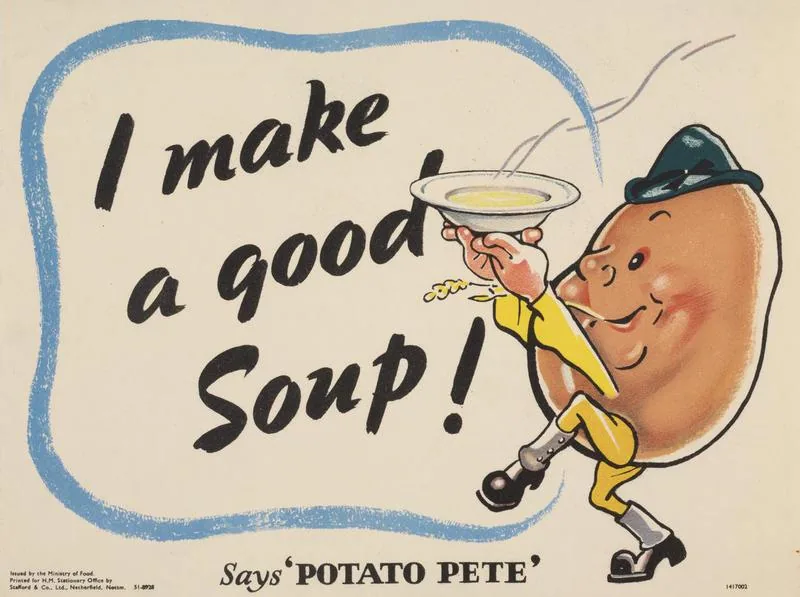
A royal cake, under rationing
In 1947, McVitie & Price made a wedding cake for Princess Elizabeth and Lieutenant Philip Mountbatten, over 2.5 metres tall. With post-war food rationing still in place, “ingredients are sent as wedding presents from overseas.” [source]
A bear that was first a dancer
Haribo’s Dancing Bear of 1922 was bigger and slimmer than today’s Goldbears, and two of them cost one Pfennig. The Goldbears name, on the official timeline, arrives later, in 1960, with a trademark in 1967. [source]
Enjoyed a desk of official sweet stories, unblended firsts, and a clearly labelled gift shelf?
No pop-ups. No intrusive advertising. Just interesting stuff. A little support helps the next ReallyByte site get built.